
Eco-friendly, clean & economical — Compressed Natural Gas for commercial and private vehicles
Compressed Natural Gas is a fossil fuel. It is eco-friendly and a cleaner fuel alternative to Petrol or Diesel. It is primarily made up of Methane and other trace hydrocarbons.
CNG is used for both commercial and non-commercial vehicles. It is delivered to CNG stations via gas pipeline, then compressed further to higher pressure at the station before being dispensed into vehicle cylinders.
It offers better fuel economy than diesel, significantly reduces vehicle noise, and does not contaminate or dilute crankcase oil — extending engine life.
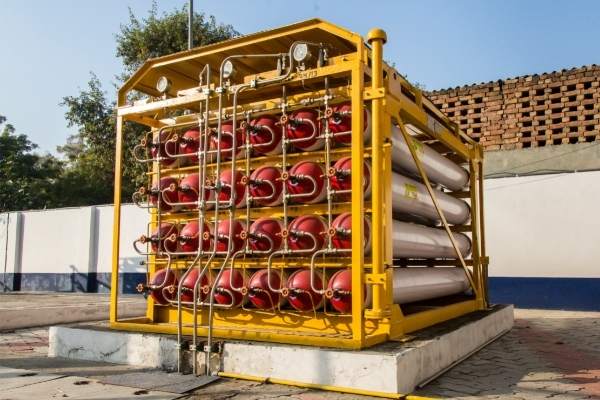
From lower running costs to cleaner air, CNG delivers real advantages for daily commuters, fleet operators and the environment.
CNG is a convenient and environment friendly fuel that works with any petrol-powered vehicle via a simple kit conversion.
Reduces harmful emissions due to the complete absence of lead and benzene, making it the cleanest available vehicle fuel.
CNG does not contaminate or dilute crankcase oil, extending engine life and reducing the frequency of oil changes.
Less likely to auto-ignite on hot surfaces. CNG will not ignite if its concentration in air is below 5% or above 15%.
CNG costs almost half the price of petrol or diesel — significant savings for daily commuters and commercial fleet operators.
Vehicles running on CNG emit considerably lower levels of carbon monoxide, contributing to better urban air quality.
Being a gaseous fuel, CNG mixes in air easily and evenly — ensuring complete, efficient combustion with minimal waste.
CNG kits can be installed in all four-wheelers and most commercial vehicles — no need to buy a new vehicle to switch.
A standard CNG conversion kit installed by an authorised dealer includes these key components to safely store and deliver gas from the cylinder to your engine.
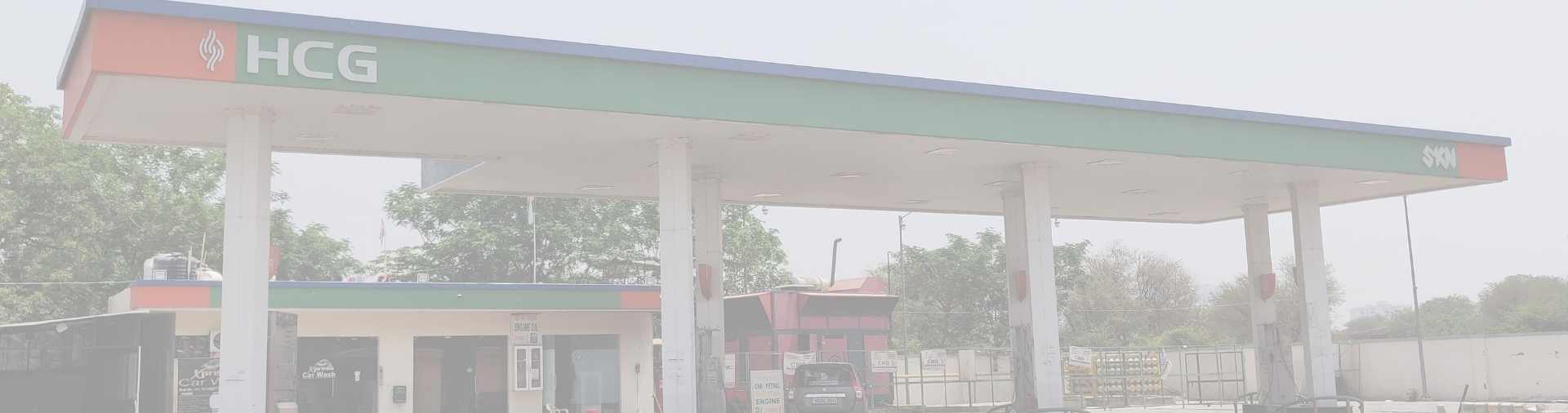
CNG is inherently safe, but following these guidelines ensures your vehicle and fuel system remain secure at all times.
In case of any leakage in the fuel system, the vehicle should be kept more than 5 metres away from any ignition source immediately.
Always use a good quality CNG cylinder from an authorised manufacturer and get it hydro-tested as per safety regulations.
The CNG kit installed in the vehicle should be insured along with vehicle accessories for complete financial protection.
Pollution checks and a valid pollution certificate are mandatory even after converting your vehicle to CNG.
A technical comparison of CNG against petrol, diesel, and LPG across key safety and performance properties.
| Property | Unit | Petrol | Diesel | LPG | CNG ★ |
|---|---|---|---|---|---|
| Relative DensityWater = 1 | — | 0.74 | 0.84 | 0.55 | — |
| Relative DensityAir = 1 | — | — | — | 1.285 | 0.64 |
| Auto-ignition Temperature | °C | 360 | 280 | 374 | 540 |
| Flammability Range | % in Air | 1–8 | 0.6–5.5 | 2.2–9.0 | 5–15 |
| Flame Temperature | °C | 2,030 | 1,780 | 1,983 | 1,900 |
| Octane Number | — | 87 | — | 93 | 127 |
View all 35+ Haryana City Gas CNG stations — South and North zones with live maps and directions.